Tam Duong Tea: Perfecting Standards, Expanding Opportunities to Reach Further
 11-10-2026
 Chia sẻ
Every market has its own requirements. To take Vietnamese tea far, product quality must go hand in hand with methodical preparation of standards and production processes.
In the tea industry, the journey from the growing region to the consumer market demands not only an understanding of the tea plant and processing techniques, but also increasingly high requirements for transparency, environmental responsibility, and compliance with international regulations.
Within this development direction, two notable milestones are the greenhouse gas inventory verification certificate under ISO 14064-1:2018 and the Halal certification. Each certification represents a distinct aspect, together opening up new perspectives on the company's production capacity and market access.
ISO 14064-1:2018 – Bringing environmental data into production
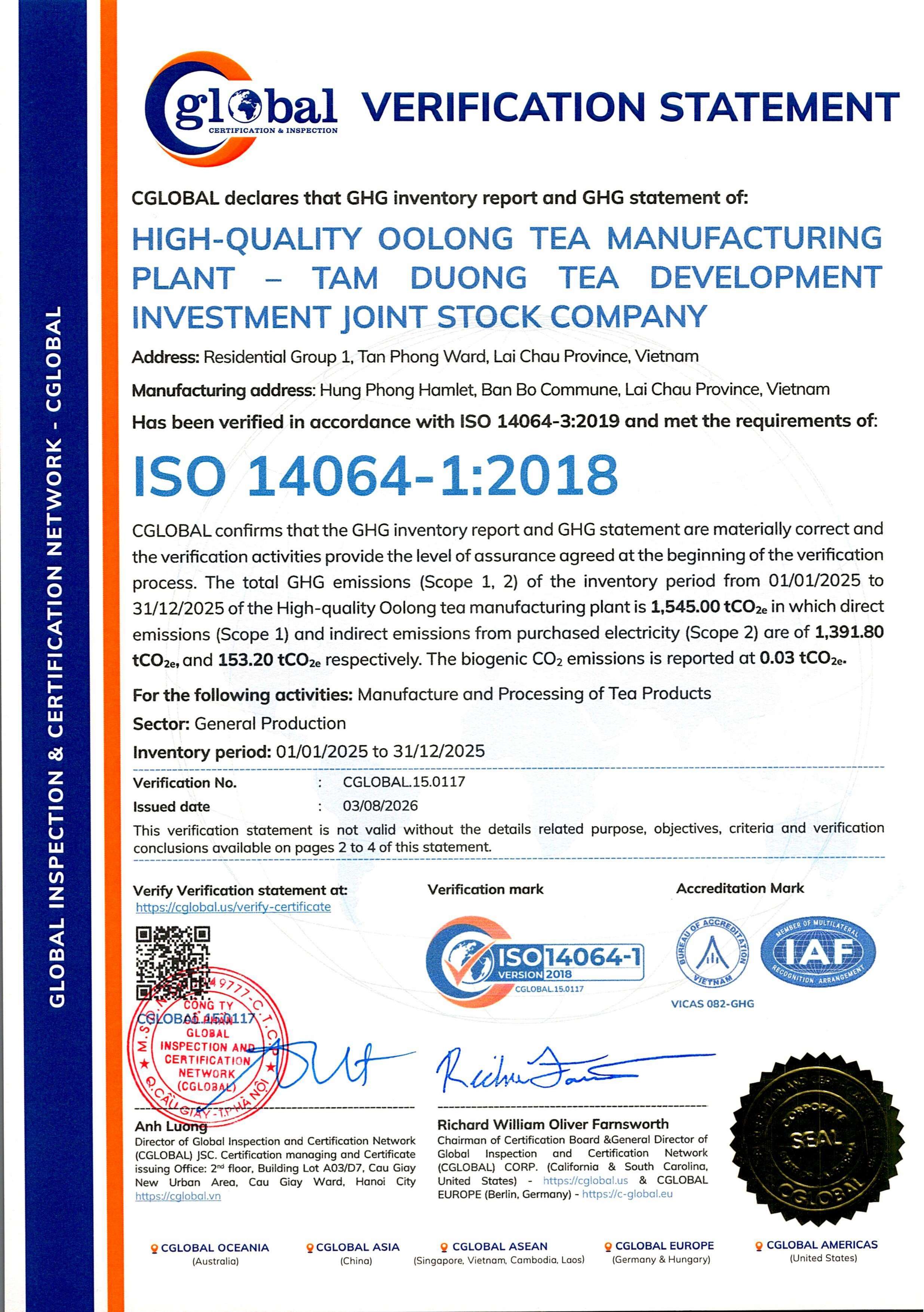
Sustainable development begins with clearly understanding the impacts arising during operations. For production facilities, greenhouse gas inventory is one of the tools that helps quantify emissions, thereby creating a basis for management and for building suitable improvement plans.
ISO 14064-1:2018 provides the methodology and requirements for quantifying and reporting greenhouse gases at the organizational level. Verification under this standard helps enhance the reliability of the reported data, while also creating a foundation for the company to track its emissions footprint in production activities.
This is a practical step in a context where environmental factors are receiving growing attention in supply chains and international trade.
Halal certification – Meeting the requirements of specific markets
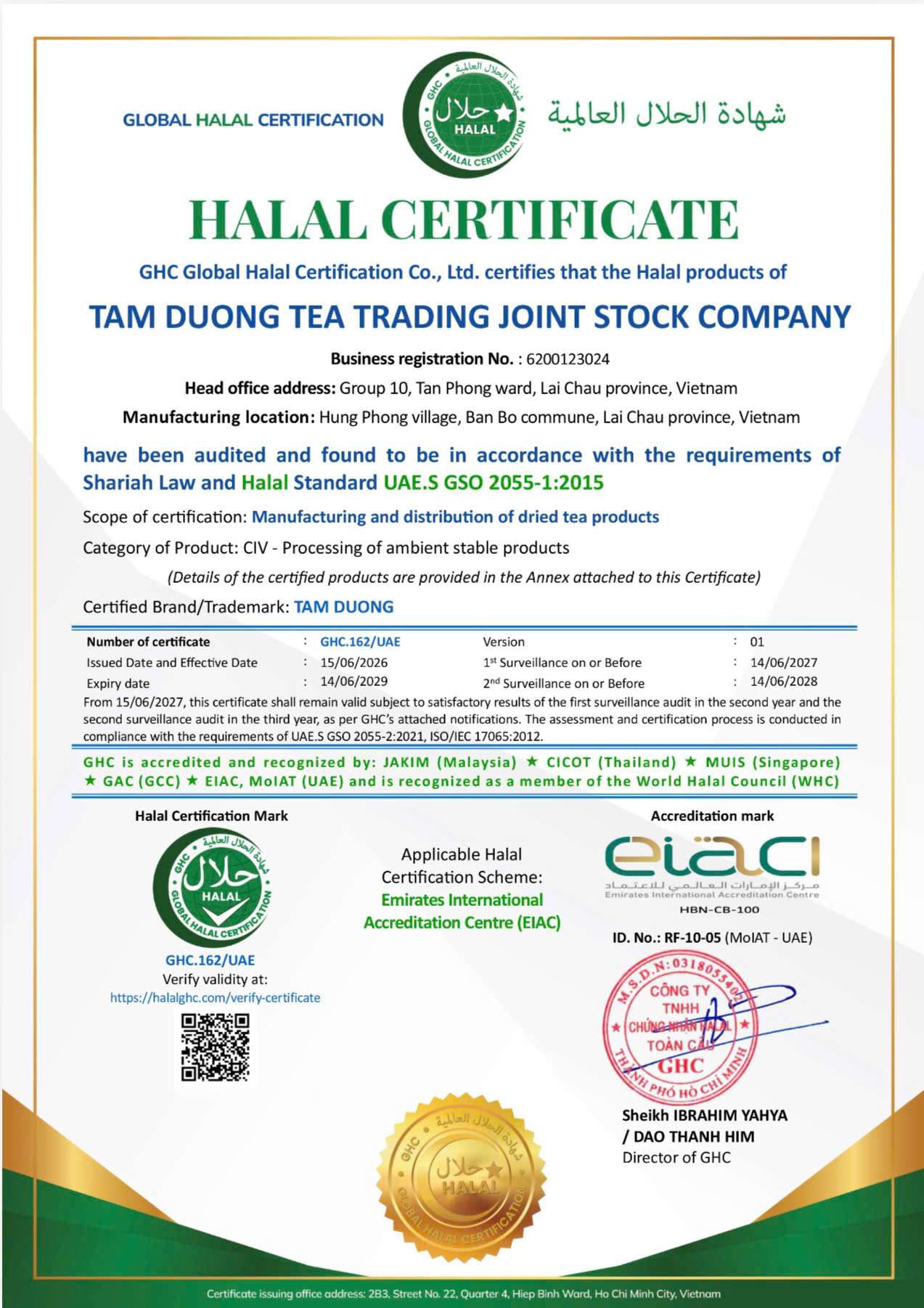
Alongside environmental standards, the ability to meet the specific requirements of each consumer group is also an important factor for a company aiming to expand its markets.
The Halal certification issued to Tam Duong Tea by GHC Global Halal Certification Co., Ltd. covers the production and distribution of dried tea products. The certification is assessed according to Halal Standard UAE.S GSO 2055-1:2015 and the related requirements stated in the documentation.
Halal is a system of requirements based on the principles of Islamic law. In the food sector, this certification confirms the conformity of products and of the activities within the assessed scope with the applicable requirements.
For the tea industry, Halal certification is meaningful in helping the company reach Muslim consumers, while also creating an additional basis for exchange and cooperation with partners in markets that value products meeting this standard.
Achieving Halal certification therefore carries significance not only in terms of product standards, but also as a step of preparation for business development in markets with distinct requirements.
From standards to competitive capability
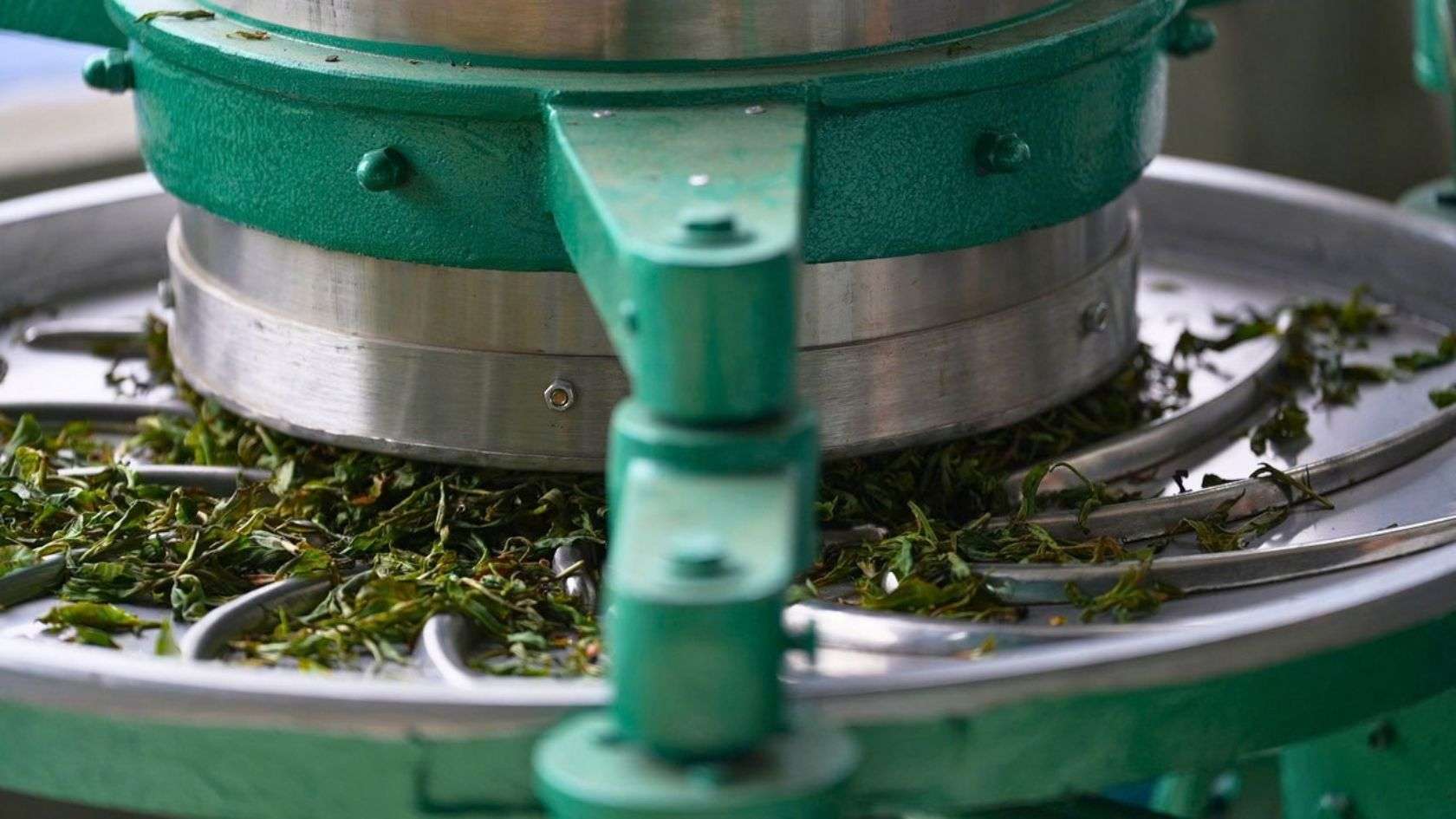
ISO 14064-1:2018 and Halal do not replace one another, as each certification addresses a different set of requirements.
One focuses on the inventory and reporting of greenhouse gas emissions; the other assesses conformity with Halal principles within the certified scope. When implemented with the right objectives, both can help the company improve its management system and enhance its ability to meet the requirements of stakeholders.
In a context where markets apply ever more selection criteria, preparing complete documentation, maintaining suitable processes, and keeping information transparent are important foundations for building long-term cooperative relationships.
This is also the approach that helps Vietnam's tea industry gradually strengthen its competitive advantage, rather than relying solely on price or differences in flavor.
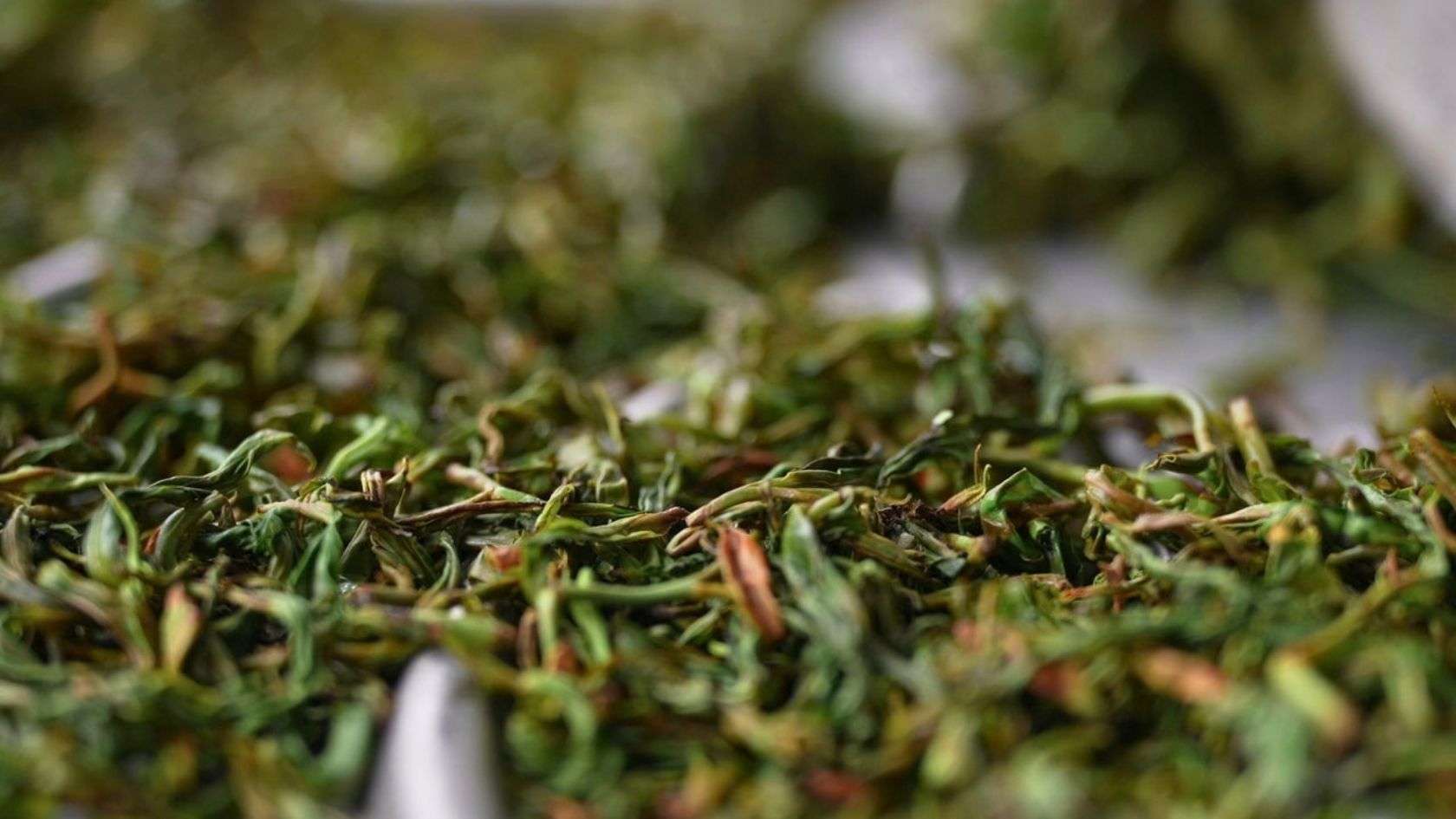
Tam Duong and the journey of bringing the value of Vietnamese tea closer to the world
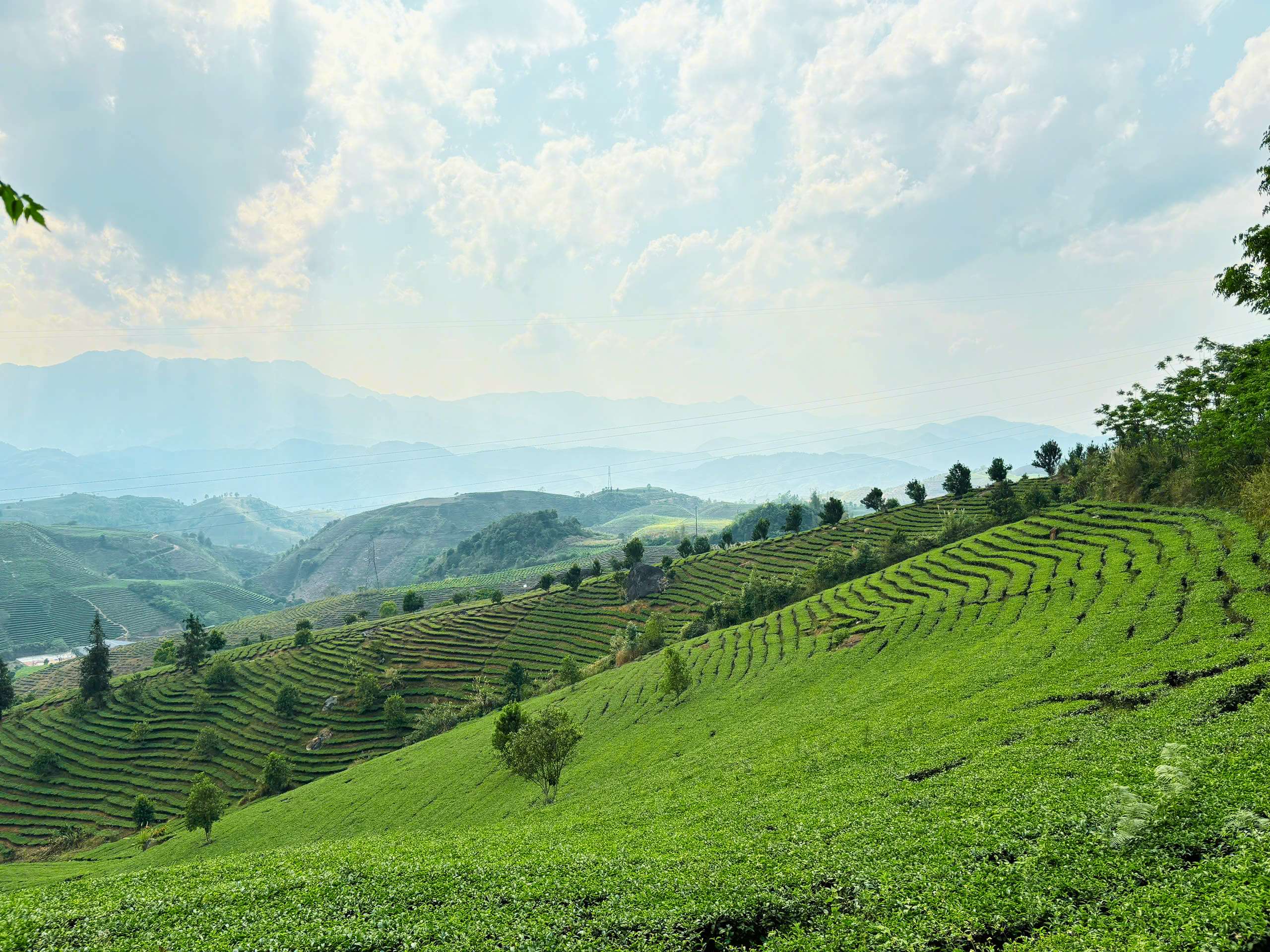
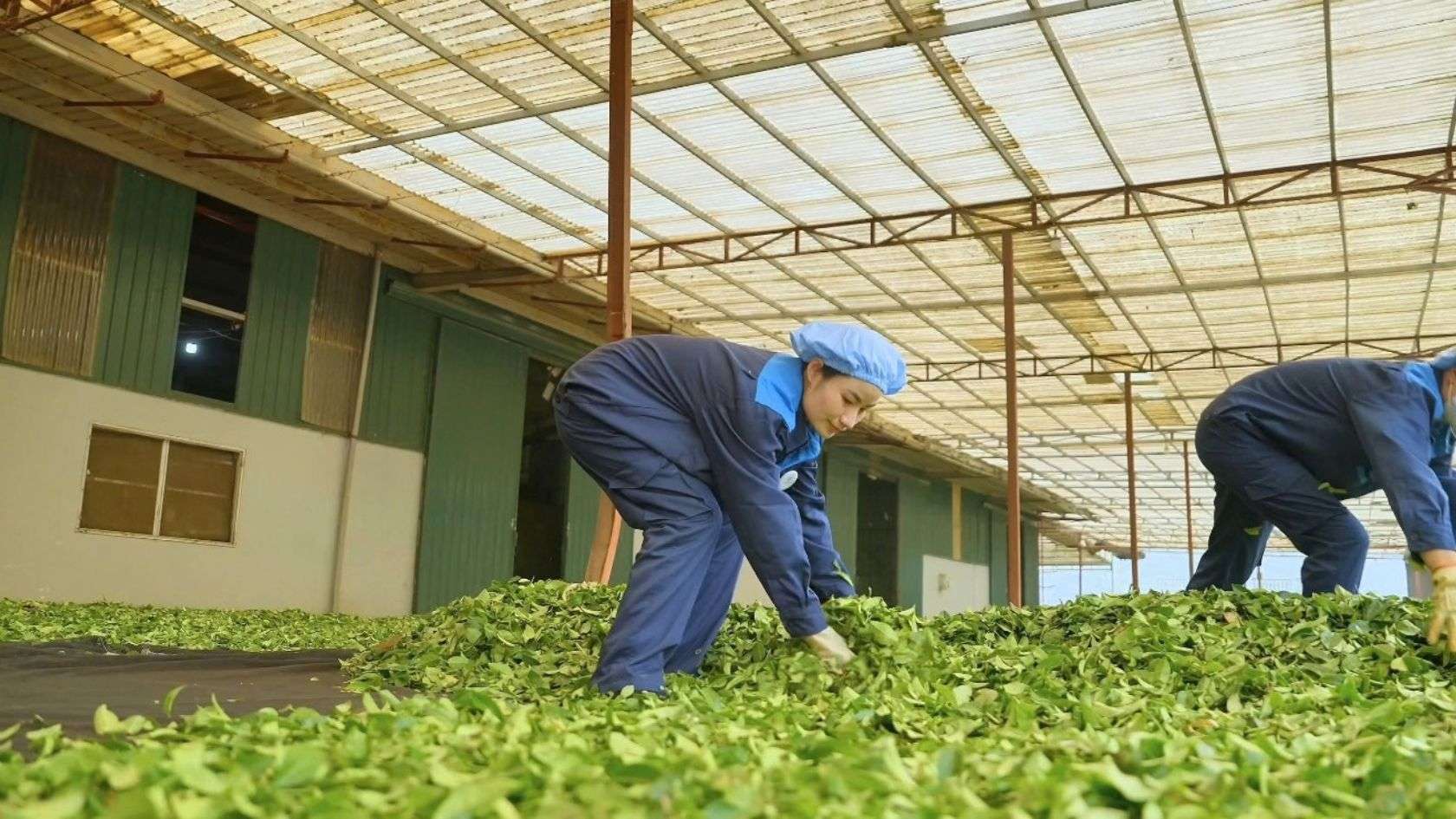
A tea product may begin in regions rich with potential, but to reach many markets, that product needs to be supported by a methodical production system and an understanding of commercial requirements.
Tam Duong Tea aims to develop its business on a foundation of quality, meticulousness in every stage, and the ability to adapt to increasingly diverse standards.
The environmental and Halal certifications are notable elements in the company's standardization story, while also opening up further opportunities for Vietnamese tea products to reach partners and consumers on a wider scale.
Because the journey of taking Vietnamese tea far lies not only in where the tea is created, but also in how those values are preserved, verified, and delivered to the market.