-large.webp)


Essential Food & Drinks for the Lunar New Year (Tet)
 07-05-2024
 Chia sẻ
Banh Chung
Banh chung is a food made from glutinous rice, with a filling of mung beans and pork along with many other ingredients. Banh chung is wrapped in green leaves (usually banana leaves), and because of its square shape people say banh chung symbolizes the earth. Besides being a traditional dish, banh chung is chosen as the main food for the Tet season also because it can be kept for many days in Vietnam's harsh weather without spoiling (banh chung can last at room temperature for nearly 1 month).
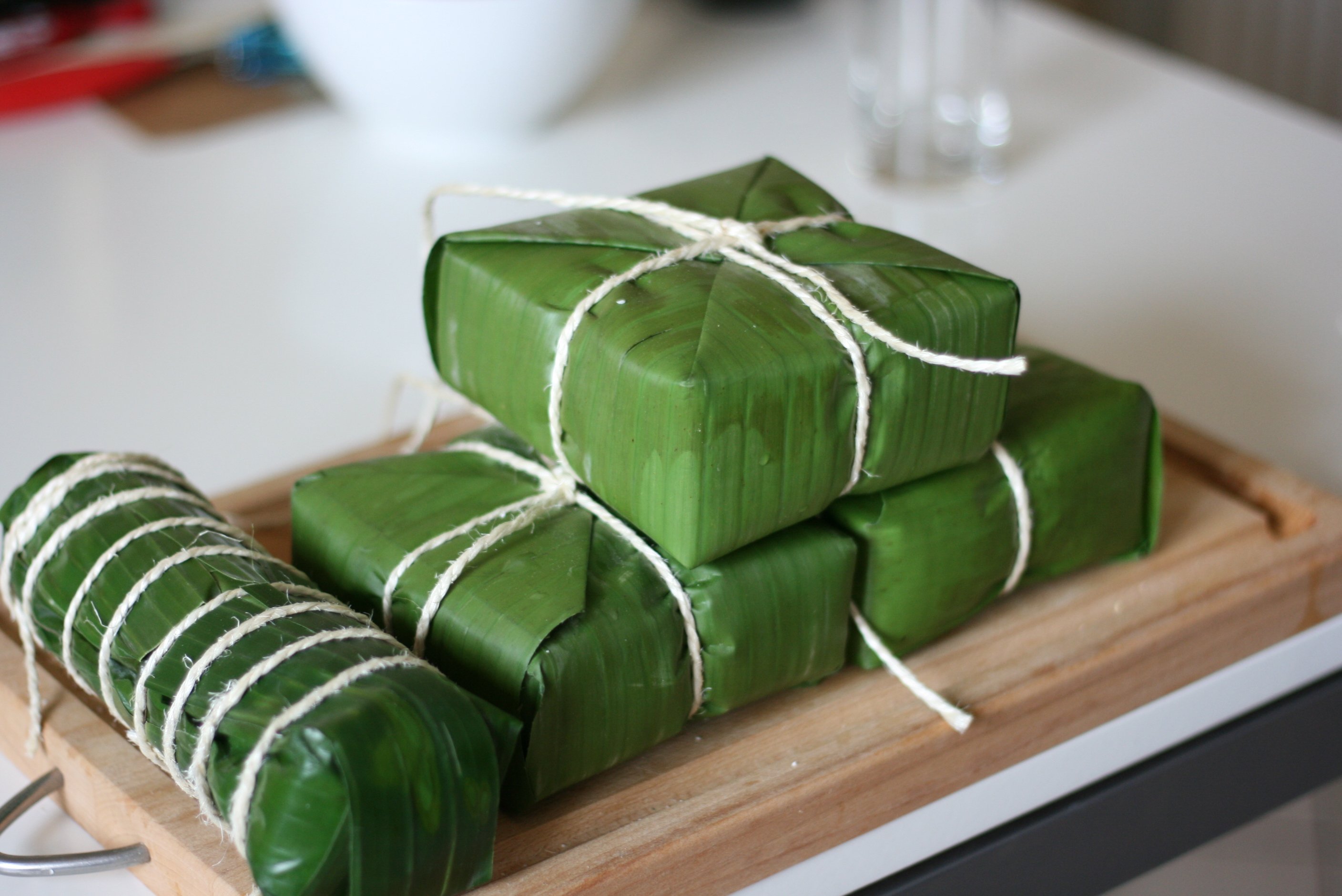
In Central and Southern Vietnam, people wrap banh tet. Banh tet is also wrapped in banana leaves with the same ingredients as banh chung, the only difference being that it is wrapped into a long cylindrical shape rather than the square shape of banh chung. When eaten it is cut into rounds, with the mung bean and fatty pork filling appearing in the middle like the pistil of a flower. Banh tet is considered the primitive form of banh chung. It is a symbol of the fertility beliefs of the ancient Vietnamese. The soft, chewy slice of banh tet is eaten together with crunchy, flavorful slices of pickled vegetables, giving the eater an unforgettable delicious sensation, making many a child far from home yearn for it each time spring returns.
Gio Cha
Gio cha (Vietnamese sausage) is also a traditional dish during Tet, usually eaten together with xoi (sticky rice) and banh chung. Basically, gio and cha differ in that gio is steamed while cha is fried. Vietnamese people make gio from lean-and-fat pork (so that the gio is not too dry), adding fish sauce, white pepper and various flours (baking powder, tapioca starch), then wrapping it in banana leaves or wrapping paper and steaming it for many hours. The ingredients for making cha are almost the same, but cha is not wrapped in leaves nor steamed for long; it is only steamed for about half an hour and then fried in oil. For that reason cha spoils more quickly.
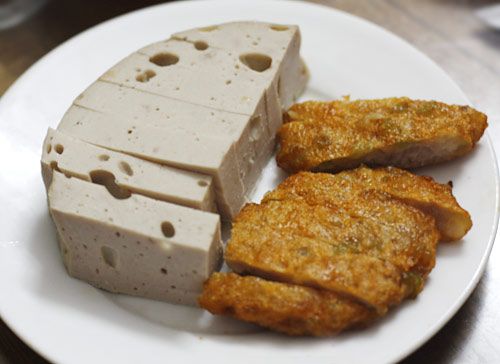
There are many kinds of gio: pork gio, chicken gio, beef gio, corresponding to the type of meat chosen to make it. Unlike banh chung, which is mostly seen during festivals and Tet, gio cha is common all year round.
Xoi
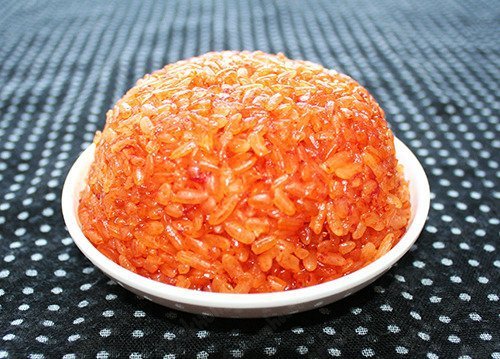
Xoi (sticky rice) is no less important; on the ancestral altar during Tet this dish cannot be missing. Along with banh chung, xoi is a main dish during Tet. The popular kinds of xoi at Tet are xoi lac (sticky rice with peanuts), xoi do xanh (sticky rice with mung beans) and xoi gac. Among them, xoi gac is the most loved because of its special red color - symbolizing a lucky and prosperous new year. Xoi is usually eaten together with gio cha or boiled chicken during the Tet meal.
Chicken
Chicken (usually boiled chicken) on the Tet feast tray is chopped into small pieces and arranged on a plate, and the chopping must be skillful, the pieces of meat even, arranging them on the plate beautifully is also an art. When offering to the ancestors, the chicken should not yet be chopped; however it was after boiling, it is left as it is. When I was little, I often wondered aloud to my mother that, if the chicken is not chopped but offered whole like that, how would the ancestors eat it? She gently replied that she did not really understand why, but perhaps leaving the chicken like that also carried the meaning of fullness and wholeness. Boiled chicken always goes with finely sliced lime leaves and a dip of salt, pepper and lime. The chicken broth (and also the bones, feet, wings, neck and head) used to cook soups is sweet, fragrant and full of flavor.
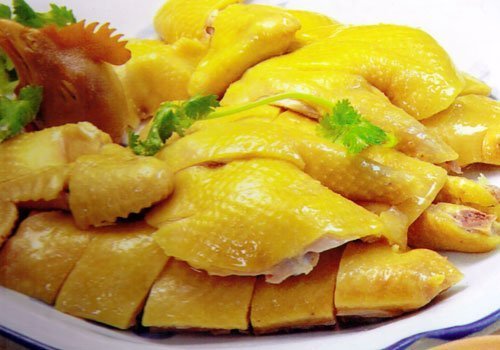
Recently, many people have raised a controversial question: 2017 is the Year of the Rooster, so should chicken be offered on New Year's Eve or not? Consulting the opinions of some people knowledgeable about feng shui, I received the answer that: The concept of offering a feast on New Year's Eve is a form of ritual aimed at the elements of Truth, Goodness and Beauty. Therefore, the host does not necessarily have to abstain from offering chicken. However, the New Year's Eve offering tray should be a vegetarian feast to express the nobility of the feast. Moreover, offering vegetarian food is simpler, less costly and avoids the piling up of food during Tet.
Mut
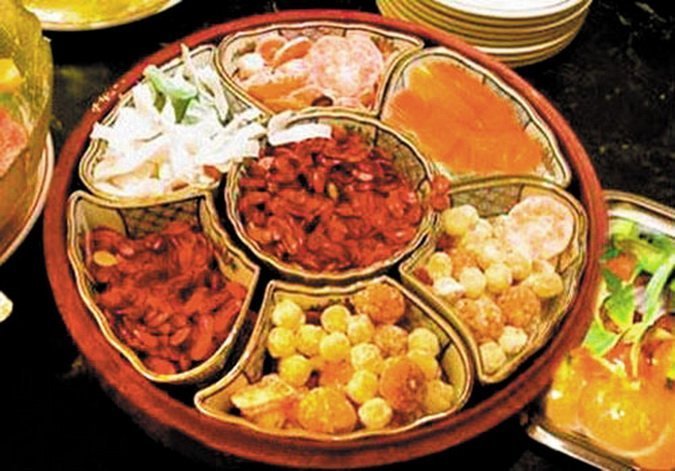
Mut (candied fruit) for Tet is usually used as a snack or to entertain guests, along with tea. Unlike Western jam - which is usually in a paste form and eaten with bread - Vietnamese mut is mostly in the form of dried fruit, or made from certain seeds (pumpkin seeds, sunflower seeds, watermelon seeds). The diversity of ingredients used to make mut also makes the flavors of mut rich and distinctive: coconut, orange, ginger, carrot, coconut, pineapple, pumpkin, lotus seed, star fruit, sweet potato... Nowadays, cakes and candies are gradually replacing mut during Tet due to their convenience and economy, but mut is still loved and favored.
Tea
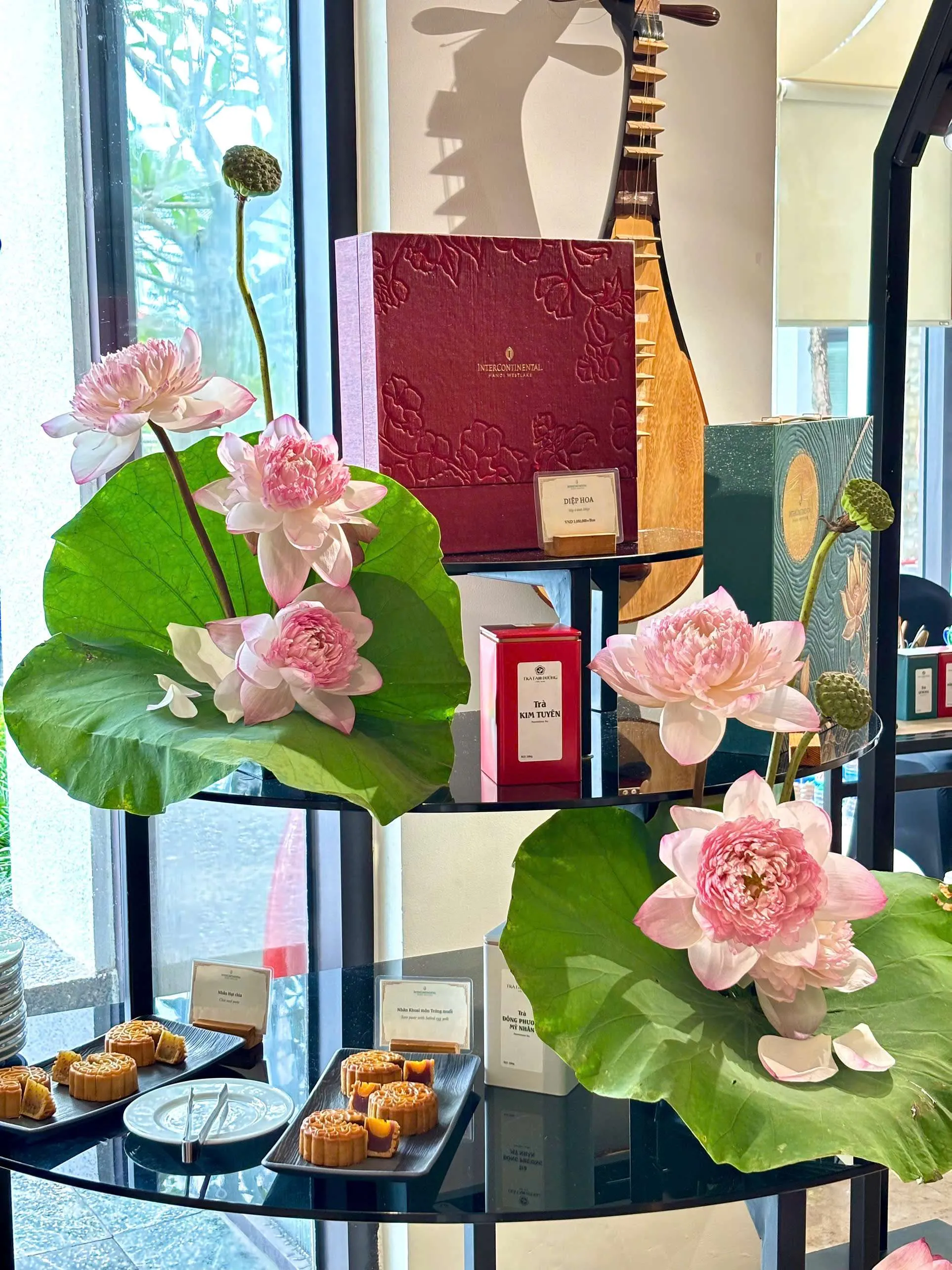
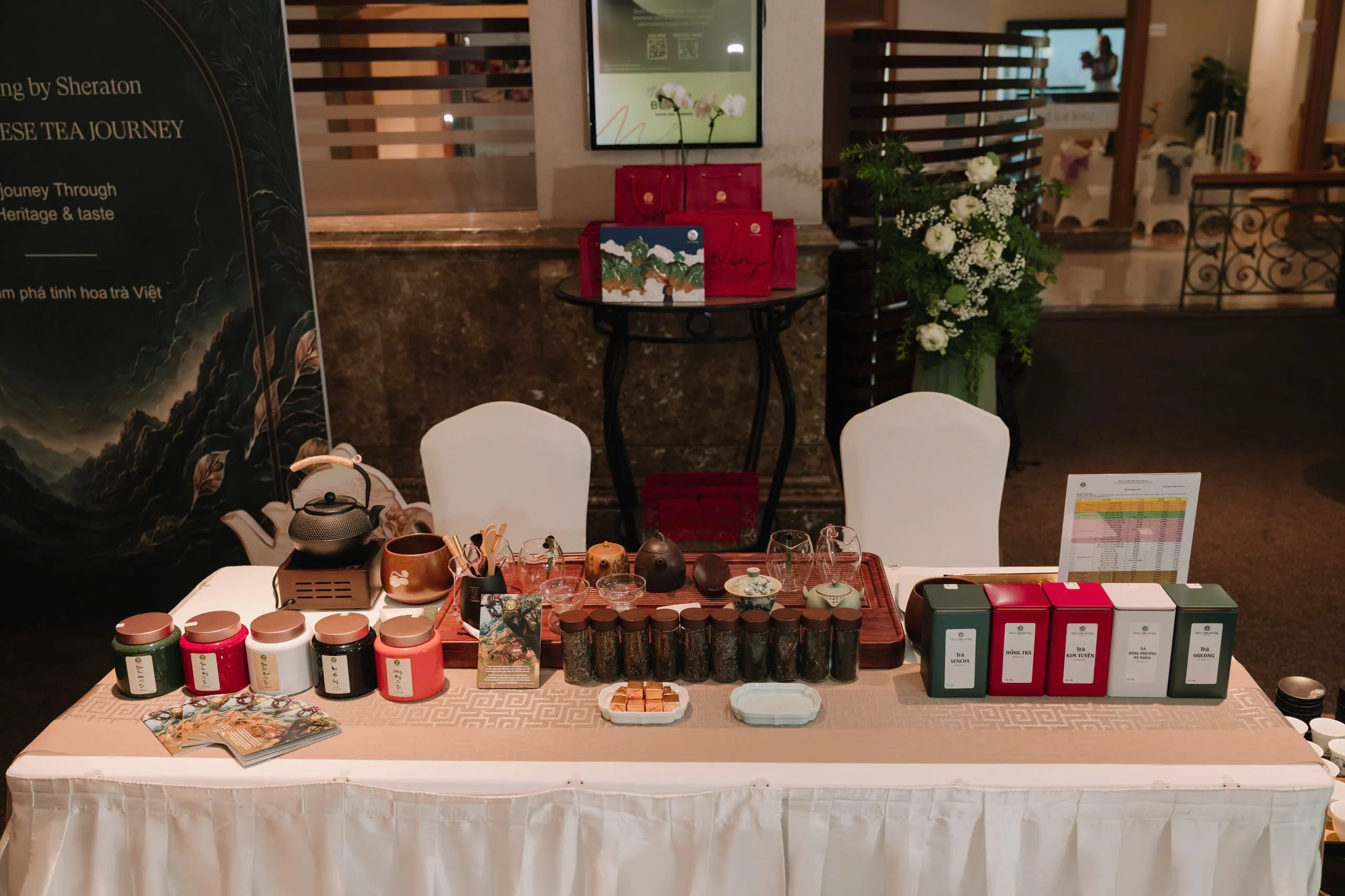
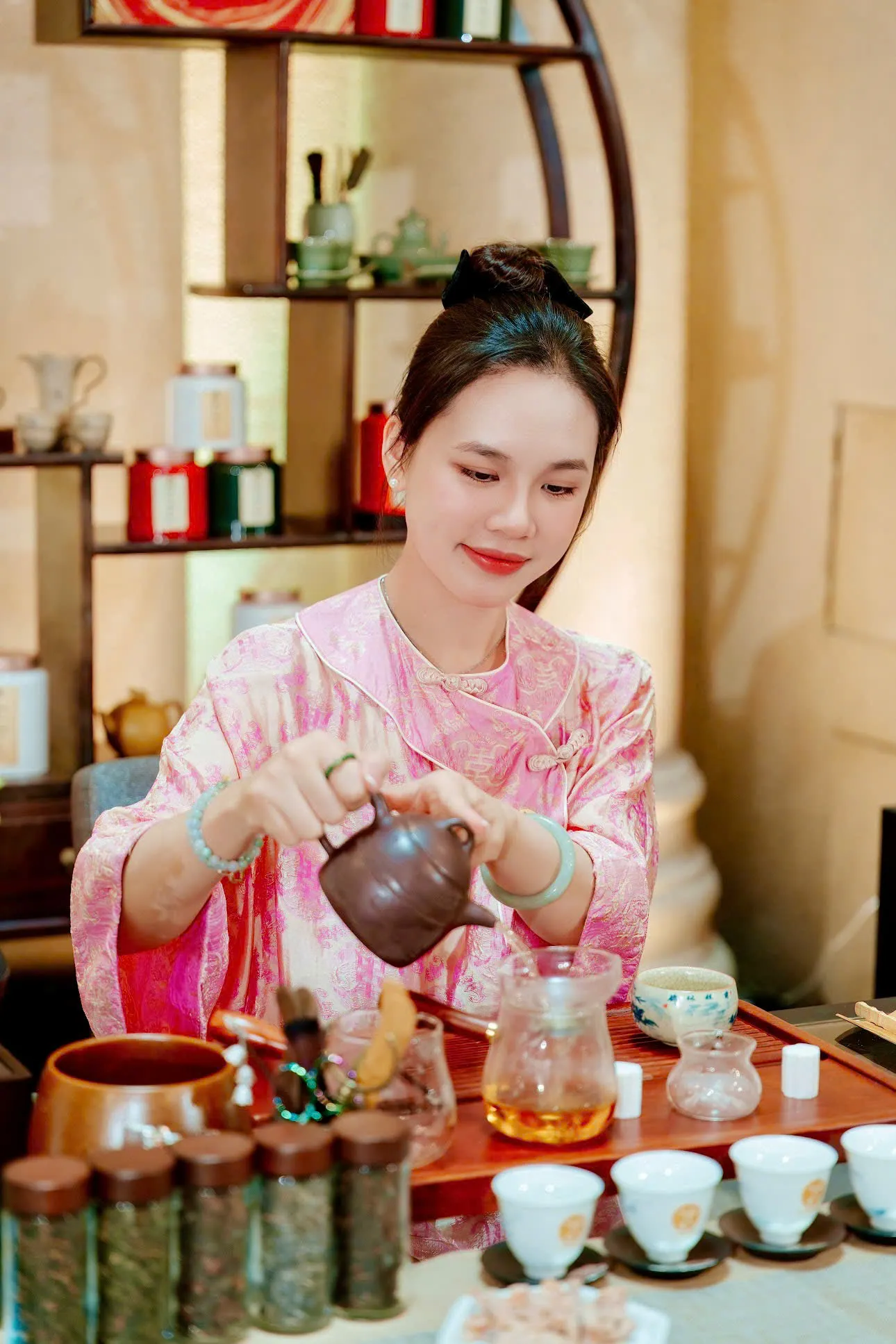
As life moves forward with a hurried, hasty rhythm and people grow used to many sophisticated city drinks, a bowl of our homeland's green tea still remains a warm corner of the "village soul," full of human affection. During festivals and Tet, how many people entertain guests without brewing tea? That culture of enjoying tea not only shows that tea is a popular drink in everyday life each time Tet arrives and spring returns, but has also become a custom, a refined pleasure of the Vietnamese people.
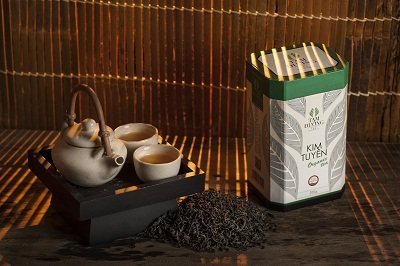
As spring comes and Tet arrives, savor a cup of clean green tea - clear, sweet and bitter, fragrant - to wish one another a peaceful, prosperous and happy new year.